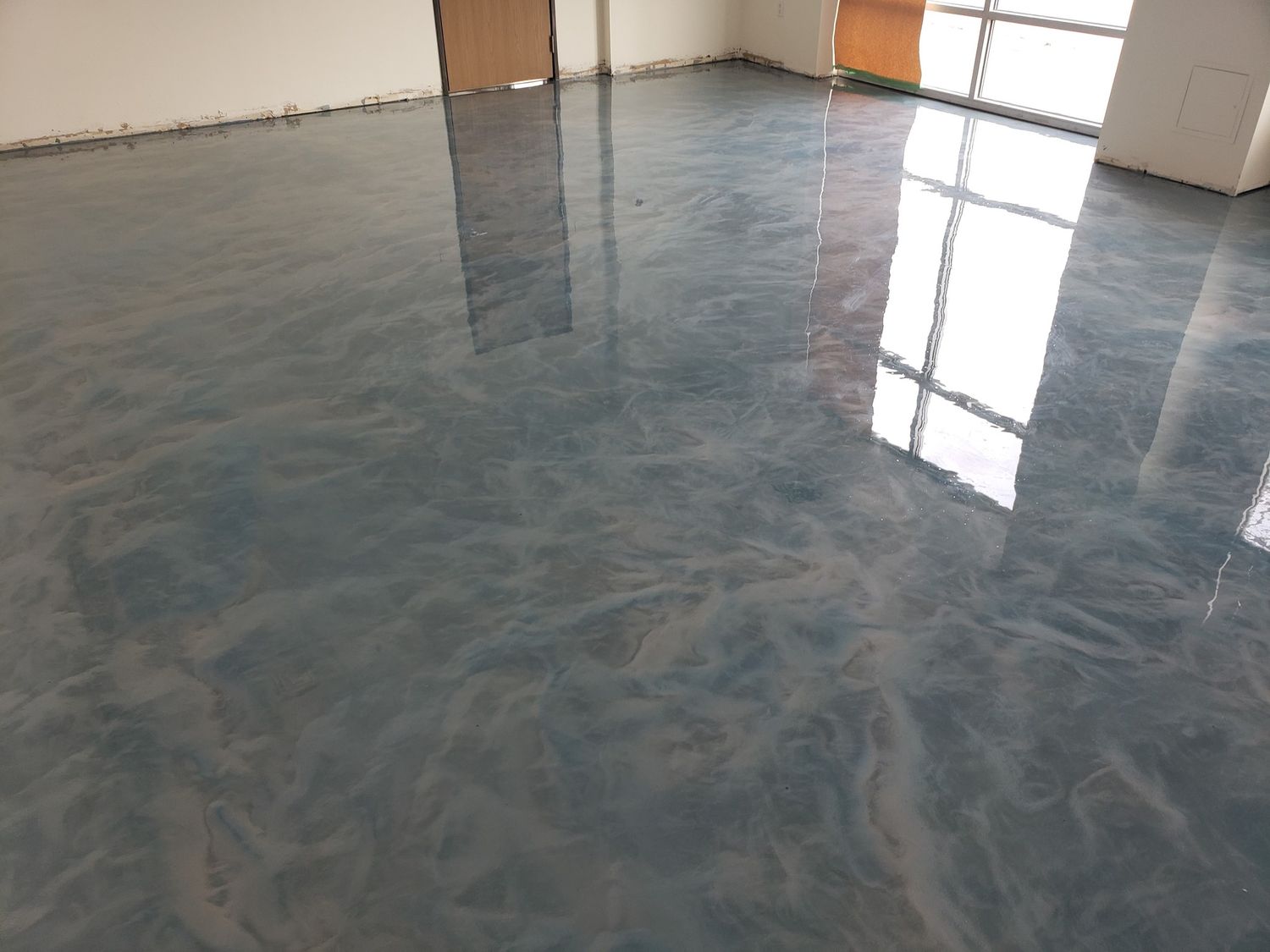
Restaurant and commercial floors take a beating. That is the reality. They deal with foot traffic, spills, dropped equipment, grease, moisture, cleaning chemicals, rolling carts, furniture movement, and constant cleaning. In some buildings, the floor also has to look good while doing all of that. In others, the main priority is performance and safety. Usually it is both. That is where a contractor like Resin Flooring Experts comes into the picture.
Based on the company’s website, Resin Flooring Experts serves Colorado with epoxy flooring, resinous flooring systems, concrete coatings, polished concrete, overlays, and surface restoration for residential and commercial spaces. The website also makes a point of talking about preparation, crack repair, moisture testing, and customized system selection. That matters more than the finish sample. A floor can look good for one week and still be the wrong system. Restaurant and commercial flooring is not just a style decision. It is a performance decision.
Why restaurant and commercial flooring matters
A lot of flooring problems start when owners think the floor is just background. It is not. In a restaurant, the floor affects safety, cleanability, sanitation, workflow, and maintenance. In commercial properties, it affects durability, appearance, traction, long-term repair costs, and how the whole space feels to customers, employees, or tenants.
A worn-out or failing floor becomes a problem fast. It traps dirt in cracks and pitted areas. It can become slippery in the wrong conditions. It starts looking old even when the business is still trying to present itself well. In restaurants, that issue gets more serious because kitchens, service areas, prep spaces, and back-of-house zones deal with grease, water, and heavy daily traffic. In commercial buildings, the damage may come from foot traffic, carts, furniture, equipment, or general wear from people moving through the space all day.
That is why flooring has to be chosen based on use, not just appearance.
What Resin Flooring Experts appears to offer
The company website positions Resin Flooring Experts as a Colorado flooring contractor serving residential, commercial, and industrial clients. It offers epoxy and resin systems, polished concrete, concrete restoration, overlays, flake systems, and other protective coatings. The site repeatedly emphasizes that every flooring system should be matched to the actual environment, traffic level, and use of the space.
For restaurant and commercial flooring, that is the right approach. A dining area, a retail showroom, a kitchen, a storage area, and a warehouse corner inside the same building may not all need the same flooring solution. Some need better traction. Some need stronger stain resistance. Some need easier cleaning. Some need a finish that holds up under daily traffic without looking rough after a short time.
The website also stresses moisture testing and concrete preparation before installation. That sounds technical, and it is, but it also gets right to the point. A flooring system does not last because the topcoat is shiny. It lasts because the slab was prepared properly and the system was installed on a surface that could actually hold it.
Restaurants are hard on floors
Restaurant flooring fails for simple reasons. It gets wet. It gets greasy. It gets cleaned constantly. It deals with heat, movement, dropped utensils, dragged equipment, and repeated foot traffic in the same paths. Back-of-house areas are especially demanding because performance matters more than appearances there, but appearance still matters. A floor that is hard to clean or beginning to fail becomes obvious to staff long before a customer notices it.
This is where resin and epoxy systems are often useful. A properly installed resinous surface can create a more seamless, easier-to-clean floor with better resistance to moisture, stains, wear, and daily abuse. That is important in kitchens, service corridors, prep areas, and dishwashing zones. In customer-facing restaurant areas, the flooring also has to look professional and stay that way.
The mistake people make is thinking any coating labeled “commercial” is automatically suitable for restaurant use. It is not. The floor system has to match the environment and the cleaning demands. It also has to be installed over concrete that has been tested, repaired, and prepared correctly.
Commercial properties have different demands, but the same rule applies
Commercial flooring is a broad category, and that is why general promises are not enough. A retail store is different from a medical office. A restaurant is different from a showroom. A service business with light customer traffic is different from a busy entry lobby or production area. But the core requirement stays the same. The floor has to perform under the conditions it will actually face.
Resin Flooring Experts appears to understand that from how the website is framed. The company does not describe flooring as one standard package. It talks about customizing the system based on the surface and how the area is used. That is important because commercial flooring fails when contractors treat every concrete slab like it has the same job.
A showroom floor may need a cleaner, more polished look. A restaurant back room may need better slip resistance and stronger stain resistance. A mixed-use commercial property may need durability first, appearance second, and fast maintenance third. Those priorities change the flooring decision.
How restaurant and commercial flooring should be installed
The process matters more than most owners realize. This is usually where successful projects separate themselves from the bad ones.
Inspection and evaluation
Before any material goes down, the slab has to be evaluated. Is the concrete sound? Are there moisture issues? Has the floor been coated before? Are there cracks, pitting, weak spots, contamination, or surface dusting? In a restaurant, are there oils or grease contamination issues? In a commercial setting, is the floor carrying rolling loads, repeated foot traffic, or exposure to cleaning chemicals?
Those questions are basic, but they decide whether the flooring system bonds well and lasts.
Moisture testing
The company’s website puts real emphasis on moisture testing. That is a good sign because moisture is one of the most common causes of coating and resin failure. If excess moisture is trapped in the slab and nobody checks for it, the finished floor can bubble, peel, or separate later. Owners sometimes blame the top layer, but the real problem started underneath.
In a restaurant or commercial building, that kind of failure is not just cosmetic. It can disrupt operations, create safety concerns, and force repair work earlier than expected.
Surface preparation
This is the part that people skip when they want a cheap bid. It is also the part that decides whether the floor has a future.
Proper preparation can include grinding the concrete, removing contaminants, profiling the surface, repairing cracks, and correcting damaged areas. Resin Flooring Experts describes grinding, crack repair, and treating the surface before applying coatings. That is exactly what should be happening. Restaurant and commercial floors do not tolerate lazy prep for long. You may get through the install, but you will not get long-term performance.
Repairing imperfections
Cracks, surface pits, and damaged areas need to be repaired before the coating or resin system is installed. Covering damage is not the same as fixing it. The visual finish may hide some issues for a little while, but if the substrate is weak or unstable, that weakness usually shows itself later.
This is one reason property owners should be careful with fast promises and ultra-low quotes. The repair work is time-consuming. Contractors who skip it are not saving you money. They are shifting the cost into the future.
Installing the system and topcoat
After preparation and repair, the actual flooring system is applied. Depending on the project, that may be epoxy, another resin system, a flake finish, polished concrete, or an overlay solution. The topcoat also matters because it can influence wear resistance, stain resistance, traction, and how easy the floor is to clean.
In restaurant settings, slip resistance may matter a lot more than a glossy appearance. In customer-facing commercial settings, appearance may be a bigger part of the decision, but the floor still needs to hold up under repeated traffic.
Common mistakes owners make
One of the biggest mistakes is waiting too long. Floors usually do not fail overnight. They wear down in stages. A little cracking. Then more staining. Then coating failure in isolated areas. Then the floor starts trapping dirt, cleaning gets harder, and the damage spreads. Owners get used to it and keep pushing the repair forward. That delay often makes the project more involved later.
Another mistake is choosing the wrong system for the actual use of the space. A finish that looks great in a garage photo may not be the right answer for a restaurant kitchen. A sleek showroom finish may not be the best fit for a wet service corridor. Flooring has to be chosen around the environment, not just the sample board.
Another issue is underestimating moisture. The company website is right to focus on it. Moisture problems underneath a slab can destroy a coating system from below even when the install looked clean at the beginning.
And then there is the cheapest-bid problem. Owners compare numbers without comparing scope. Was the slab going to be ground properly? Were cracks going to be repaired? Was moisture testing included? Were the materials designed for that type of environment? If the answer is unclear, the bid is not really cheaper. It is just incomplete.
What happens if the floor is not done correctly
Bad restaurant and commercial flooring usually fails in visible ways. Peeling. Bubbling. Delamination. Early wear patterns. Surface dulling. Cracks showing through. Edges breaking down. Uneven traction. Areas that trap dirt because the floor profile was never corrected properly.
That creates more than an appearance problem. In restaurants, it can affect cleaning and safety. In commercial spaces, it can make the whole property feel neglected or poorly maintained. Staff notice it. Customers notice it. Maintenance teams notice it immediately because the floor becomes harder to clean and harder to manage.
And once a flooring system fails, the fix is rarely simple. The failed material usually has to be removed. The slab may need additional repair. The business may have to work around the project again. That is why getting it right the first time matters.
Why Resin Flooring Experts fits this kind of project
The strongest part of the company’s website is its focus on technical basics instead of vague promises. It talks about moisture testing, surface grinding, crack repair, heavy-duty systems, customized recommendations, and long-term durability. Those are the right things to emphasize for restaurant and commercial flooring in Colorado.
The company also appears to work across a range of property types, which matters because restaurant and commercial projects rarely have simple requirements. One owner may care most about durability and traction. Another may need a more polished look for a client-facing environment. Another may need to restore an older concrete surface without replacing the slab. A contractor needs to understand those differences and recommend the right approach.
The site also presents the business as serving Colorado from Kiowa and working with both residential and commercial clients, including high-traffic spaces. That gives context for the type of flooring work they are built to do.
Why Colorado conditions still matter indoors
Even interior restaurant and commercial floors in Colorado are affected by local conditions. Moisture, tracked-in debris, temperature swings, and seasonal wear still show up in how a floor performs. Entrances, service areas, and buildings with changing indoor conditions can put stress on flooring systems over time. That does not mean every floor is in crisis. It means local environment still matters during planning.
The right contractor takes that seriously. The wrong one installs the same system everywhere and hopes it holds up.
Final thoughts
Restaurant and commercial flooring in Colorado needs to be treated like a working surface, not a finishing touch. It has to handle traffic, cleaning, spills, wear, and the specific demands of the business. That means the slab has to be evaluated correctly, moisture has to be tested, surface preparation has to be real, and the chosen system has to fit the environment.
That is the case Resin Flooring Experts is making on its website. Not just that it installs attractive floors, but that it installs flooring systems built around preparation, repair, and long-term performance. For restaurant owners and commercial property owners, that is what matters. The visible finish is only the final layer. The real value is whether the floor underneath was handled properly and whether the system chosen actually belongs in that space.